

 Abstract: The future for mainstream media is in the sci-fi epic 'Blade Runner'...
In the opening scenes of Ridley Scott's iconic sci-fi epic Blade Runner, we are hit with his vision of Los Angeles in 2019. It's not pretty. Scott's city of angels is dark and ominous, choked by the fumes from scores of refineries; the constant bursts of flames from the sentinel steel chimneys slicing the smoke that blankets the city in otherwise perpetual darkness. And it never stops raining. The cityscape is a matte of sombre skyscrapers pressed shoulder to shoulder, at their feet the citizens scurry in and out of a frenzied jumble of Asian bazaars trying to eke out a business amidst the forgotten filth.
When he made the film 35 years ago, Scott believed the skies over the city a few years from now would be criss-crossed by flying vehicles.
Abstract: The future for mainstream media is in the sci-fi epic 'Blade Runner'...
In the opening scenes of Ridley Scott's iconic sci-fi epic Blade Runner, we are hit with his vision of Los Angeles in 2019. It's not pretty. Scott's city of angels is dark and ominous, choked by the fumes from scores of refineries; the constant bursts of flames from the sentinel steel chimneys slicing the smoke that blankets the city in otherwise perpetual darkness. And it never stops raining. The cityscape is a matte of sombre skyscrapers pressed shoulder to shoulder, at their feet the citizens scurry in and out of a frenzied jumble of Asian bazaars trying to eke out a business amidst the forgotten filth.
When he made the film 35 years ago, Scott believed the skies over the city a few years from now would be criss-crossed by flying vehicles.

Blade Runner’s lesson for legacy media

A call for a change in palliative care
 Abstract: A radical rethink is necessary around the provision of palliative care.
In a world riven by intense religious protectionism, political disunion and cultural variance, it's hard to imagine a perception or opinion that is shared by all humans. But there is something: an aversion to pain and the fear of death. Yet this is the calling for those providing palliative care, a currently specialised area of medicine that, it seems, requires profound debate, if not for ourselves, then for the sake of our parents.
Palliative care is something of a mystery because its meaning is enwrapped in misinterpretation. For most laypersons familiar with the term it refers to that care given to those diagnosed with a life-threatening disease, mainly cancer, and who are at the end of their life. It is something provided by hospices and other organisations when doctors have declared there is nothing
Abstract: A radical rethink is necessary around the provision of palliative care.
In a world riven by intense religious protectionism, political disunion and cultural variance, it's hard to imagine a perception or opinion that is shared by all humans. But there is something: an aversion to pain and the fear of death. Yet this is the calling for those providing palliative care, a currently specialised area of medicine that, it seems, requires profound debate, if not for ourselves, then for the sake of our parents.
Palliative care is something of a mystery because its meaning is enwrapped in misinterpretation. For most laypersons familiar with the term it refers to that care given to those diagnosed with a life-threatening disease, mainly cancer, and who are at the end of their life. It is something provided by hospices and other organisations when doctors have declared there is nothing

Getting to the heart of atrial fibrillation
Abstract: The sidelining of a top rugby player has thrown the spotlight on a common, often fatal, heart condition...
If the sudden withdrawal of Tendai 'The Beast' Mtawarira from the Springbok squad has had any benefits, it's the drawing of attention to a relatively common, and sometimes devastating, heart condition; and one that could be a growing concern for other rugby forwards.
Mtawarira's withdrawal was something of a double blow for Springbok supporters, not only because of his prominence in the team; but also because of why he was withdrawn. The official announcement was that he had experienced mild heart palpitations. It's fair to wonder how a man of such physical strength could be sidelined by something that sounds seemingly inconsequential.
The reality, according to Dr Vash Mungal-Singh, the CEO of Heart and Stroke Foundation SA, is that what Mtawarira was diagnosed with - atrial fibrillation
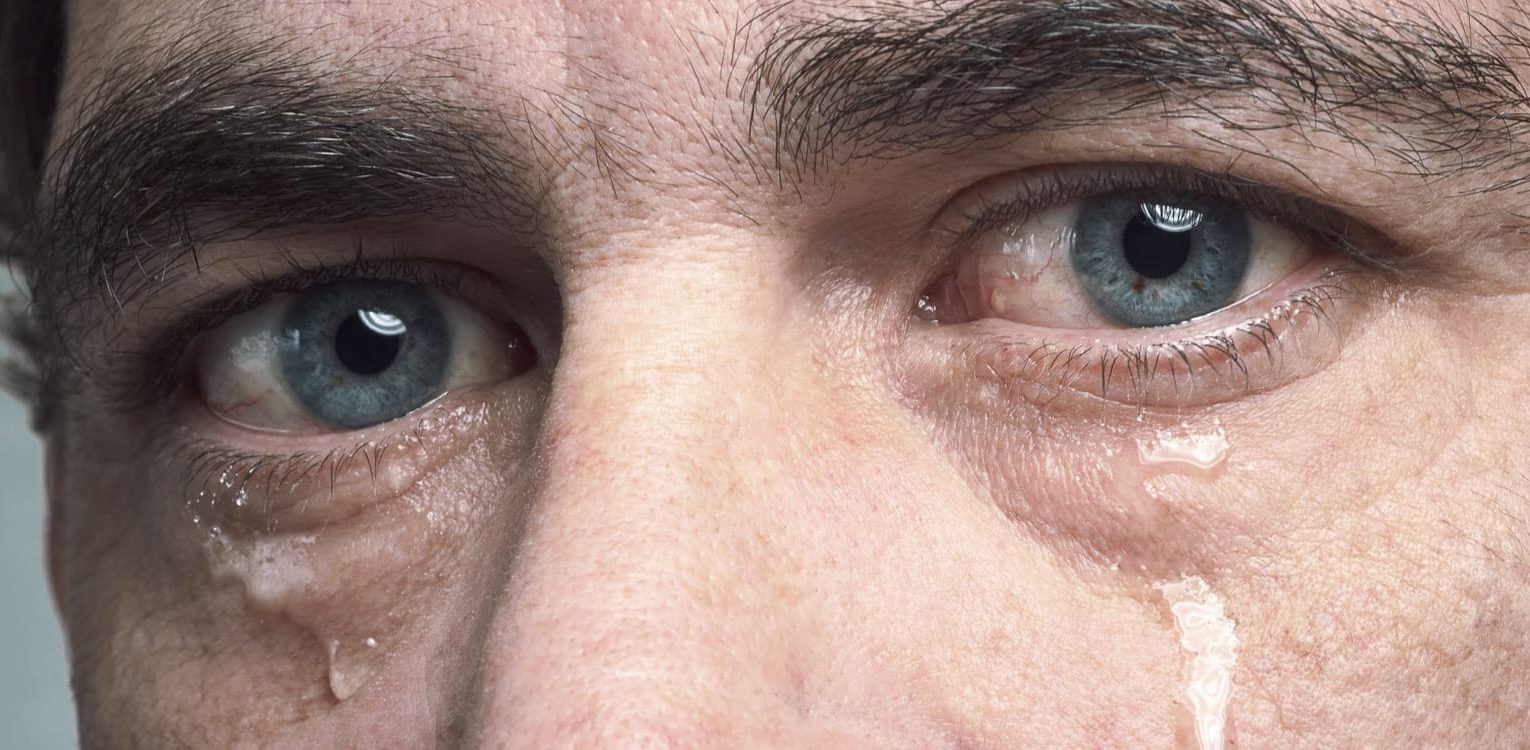
An emotional view of the smart brain
Abstract: Emotional Intelligence - the key to a healthy business, or a 'pop psychology' fad?...
Dig around in the field of human resource management and training, and sooner or later you'll come across the terms emotional intelligence or 'EQ'. Claims presented by devotees of emotional intelligence (EI), especially in the business environment, are wide and encompassing: it can predict job performance, improve job performance, develop happier workers, produce better leaders, drive entrepreneurship, possibly even help companies beat the recession. Briefly: it holds the key to success in business.
That may be well in theory; but in the results-driven reality of business, investing in EI is dogged by uncertainty: what exactly is EI? And what is EQ? Is it truly a 'new' powerful HR tool, or is it just another pop psychology toy?
"Within psychology", according to Dr Despina Learmonth, a lecturer in Health Psychology at

The power of prayer runs dry
 Abstract: It seems God wanted the Pope to die...
If I were little Johnny du Plessis of Fourways, gently cradling the frail hand of my dying Grandmother, I'd be very disillusioned with God. Because God doesn't seem to like old people all that much. If Johnny had been keeping an eye on current affairs over the past couple of weeks he would've come to the conclusion that there is a very popular man called The Pope who is right at the top of a very large and powerful organisation called The Catholic Church and that he is therefore very, very close to God.
Johnny would've learned that The Pope, like Johnny's granny, was old and very ill and that hundreds and thousands, possibly millions, of people were praying for his recovery. Amongst those praying for the Pope would have been bishops, priests and nuns and

A call for a culture of critical thinking
 Abstract: South Africa's neglect of its children is damaging its global competitiveness...
As highly developed as we humans think we are, we still retain elements of mammalian instinct, the strongest of which is to protect our young, even if it's at the expense of our own lives. Ironically, it is this mammalian instinct that defines one of the cornerstones of our humanity - it is considered abhorrent, even inhumane, to willfully subject a child to abuse, or to neglect its cries for help. It's helpful to bear this in mind when examining South Africa's ranking in global competitiveness.
Every year the WEF (World Economic Forum) publishes the Global Competitiveness Report, which assesses the competitiveness landscape of a list of countries around the world according to twelve key indices. This year that list of countries totals 148. The report draws on an extensive spread of
Abstract: South Africa's neglect of its children is damaging its global competitiveness...
As highly developed as we humans think we are, we still retain elements of mammalian instinct, the strongest of which is to protect our young, even if it's at the expense of our own lives. Ironically, it is this mammalian instinct that defines one of the cornerstones of our humanity - it is considered abhorrent, even inhumane, to willfully subject a child to abuse, or to neglect its cries for help. It's helpful to bear this in mind when examining South Africa's ranking in global competitiveness.
Every year the WEF (World Economic Forum) publishes the Global Competitiveness Report, which assesses the competitiveness landscape of a list of countries around the world according to twelve key indices. This year that list of countries totals 148. The report draws on an extensive spread of

Pity the poor atheists
 Abstract: Everyone seems to hate atheists. But why?...
God knows I'm an atheist! There you go, I've said. I've 'come out', as it were and acknowledged the fact that I don't believe in God or any other superpowerful supernatural being that supposedly made us and the universe, and who spreads their word via one or many prophets, angels, saints or persons in some manner or form.
Writing that very sentence is either very brave of me or just very stupid because for some or other reason most people really don't like atheists. The chances are pretty good that when you read that sentence you felt some form of emotional reaction, anything from gentle surprise at the boldness of the statement to complete horror, and you now consider me akin to a trafficker of small children.
Am I perhaps being a little overdramatic? It seems
Abstract: Everyone seems to hate atheists. But why?...
God knows I'm an atheist! There you go, I've said. I've 'come out', as it were and acknowledged the fact that I don't believe in God or any other superpowerful supernatural being that supposedly made us and the universe, and who spreads their word via one or many prophets, angels, saints or persons in some manner or form.
Writing that very sentence is either very brave of me or just very stupid because for some or other reason most people really don't like atheists. The chances are pretty good that when you read that sentence you felt some form of emotional reaction, anything from gentle surprise at the boldness of the statement to complete horror, and you now consider me akin to a trafficker of small children.
Am I perhaps being a little overdramatic? It seems
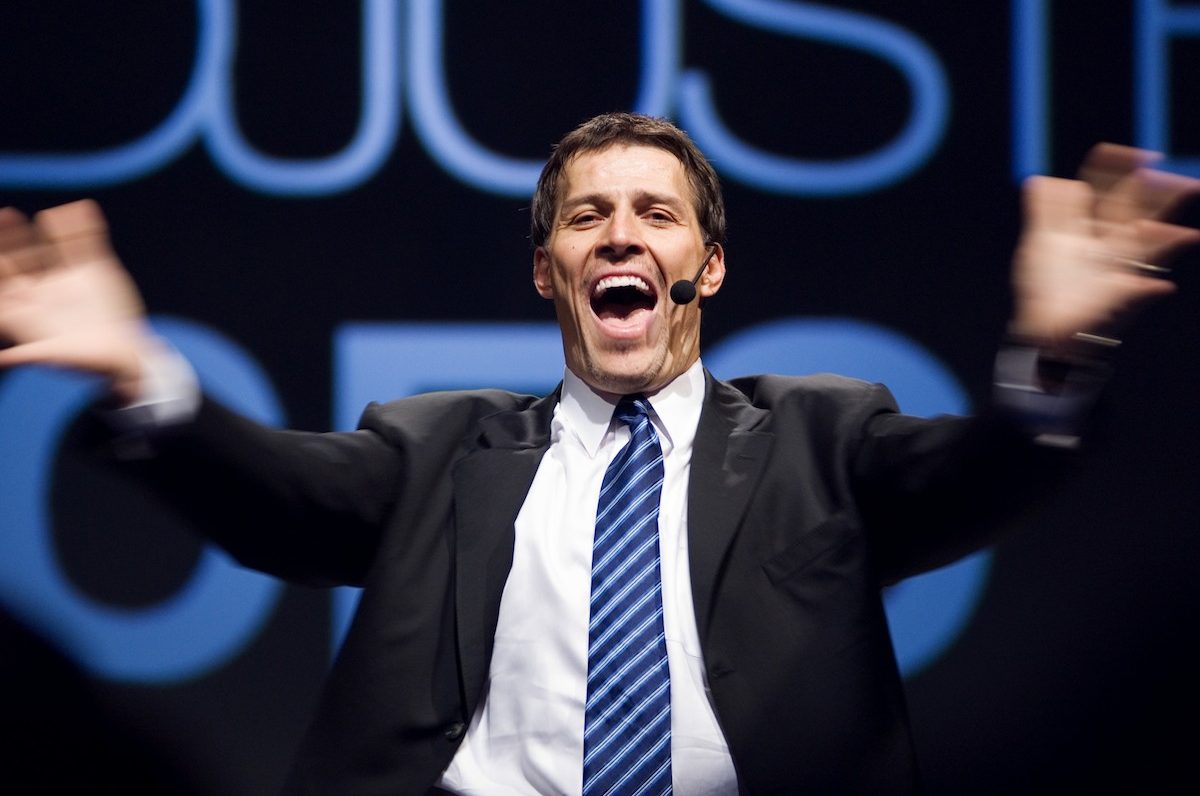
Beware the cliched motivators
Abstract: The snake-oil salesman of the Wild West is a firm fixture of modern-day business...
Beware the forked tongue of the snake-oil salesman! This may sound like dated advice from the Wild West but it's as true today as it was when American frontiersmen, desperate for alms to aid their various ill fortunes, fell foul of the smooth talking quack hawking his quick fix mixture.
Times are just as wild in today's business environment, where ever-expanding frontiers demand more than just sound sense and the employment of time-honoured trade philosophy. Just as you invest in a formula that rewards your prospecting, someone edges closer to your stake and you are forced to try new measures to remain one step ahead of them.
And who can provide this nostrum for superior profit? Today's answer to the snake-oil salesman - the motivational speaker. When you're feeling down

Beware the dead camels, and please pass the salt
Abstract: There's a new threat we need to talk about: dead camels...
Dinner conversation is drying up. And the culprit? So few new topics. When we chat animatedly over our lamb cutlets we prefer a subject that can be expressed as a word or phrase so it can be neatly packaged and passed on to the person sitting next to us - "what do you think of this Zuma thing?" or "isn't crime getting out of control now?"

The Crusades on our playgrounds?
Abstract: There is something that could threaten to tear apart even moderate Muslims and Christians - a potential battlefield on our children's playgrounds...
Ever heard of Pollokshields? I doubt it. In fact, I doubt if anyone outside of this suburb of Glasgow has ever heard of it. And yet it may be a defining player in Islam's relationship with the West that could have repercussions in South Africa.
I have just returned from the UK where the Muslim reaction to the Danish cartoon debacle is still making the news. In a country that boasts a press that is legendary in its tenacity and sovereignty, the British press has been remarkably restrained. Unlike some of their European counterparts, they refused to publish the 'offensive' cartoons. Their moderation had nothing to do with censorship though. Like South Africans, the British are sensitive towards offending different